Silver offers a way to begin investing in precious metals with smaller purchases. Its lower price per ounce compared with gold gives buyers the opportunity to acquire physical bullion at a range of budgets. Whether you start with individual coins or purchase larger quantities, silver offers flexibility in building your holdings over time.
This lower entry cost can make silver a practical choice for buyers who prefer to set aside smaller amounts for regular purchases. Building a collection of individual coins or rounds also gives you the flexibility to sell a portion of your holdings while retaining the rest.
Silver has a place in both investment and industry. Its electrical and thermal conductivity make it useful in electronics, while other applications include solar cells, medical products, and jewelry.
For buyers interested in precious metals with practical applications, silver offers a connection to technologies and products used throughout the economy.
Silver’s combination of investment interest and everyday usefulness is part of what distinguishes it as an asset. Buyers are acquiring a metal that is sought after both for physical ownership and for the properties it brings to manufactured products. This connection to financial and industrial markets adds another dimension to its long-term appeal.
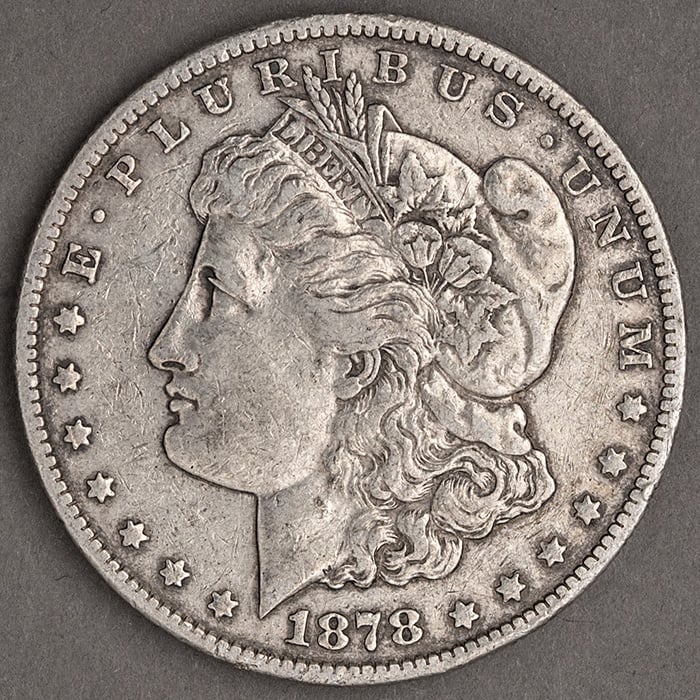
Some silver coins offer more than metal content alone. The Morgan dollar, first minted in 1878, takes its name from designer George T. Morgan. Its portrait of Lady Liberty and Eagle reverse became part of American coinage during an era of expanding silver mining and westward development.
Its history took an unexpected turn during World War I, when Britain needed silver to meet demand for silver currency in British-controlled India. The Pittman Act of 1918 authorized the melting of millions of American silver dollars, primarily Morgans, so their silver could be sold to Britain to help meet that need. The law also required purchases of newly mined American silver to replace the melted coins, bringing the Morgan dollar back into production in 1921 after a seventeen-year pause.
Yet many others remained in Treasury vaults. In 1970, legislation authorized the sale of approximately 2.8 million Carson City Morgan dollars held by the government, allowing collectors to acquire coins that had been stored long after their minting.
For buyers interested in historic silver, Morgan dollars combine precious metal ownership with a story of American mining, monetary policy, and collecting. Their value can reflect their date, mint mark, condition, and collector demand alongside their silver content.
Silver bullion comes in several forms, allowing you to choose according to your preferences and purchase plans.
Bullion coins combine silver ownership with designs issued by government mints. The American Silver Eagle, for example, contains one troy ounce of .999 fine silver.
Silver rounds are privately minted, coin-shaped bullion products. They offer a variety of designs and are commonly available in one-ounce sizes.
Silver bars provide another format for building your holdings, with options ranging from smaller minted pieces to larger cast bars.
Modern bullion and older silver coinage can contain different proportions of silver. American Silver Eagles are .999 fine, meaning 99.9% silver. Many familiar U.S. circulating dimes, quarters, and half dollars dated 1964 or earlier contain 90% silver, such as Mercury dimes, Washington quarters, and Franklin half dollars.
These older coins offer another way to own silver while enjoying a connection to American coinage. Comparing actual silver content helps you understand the amount of metal in each product.